
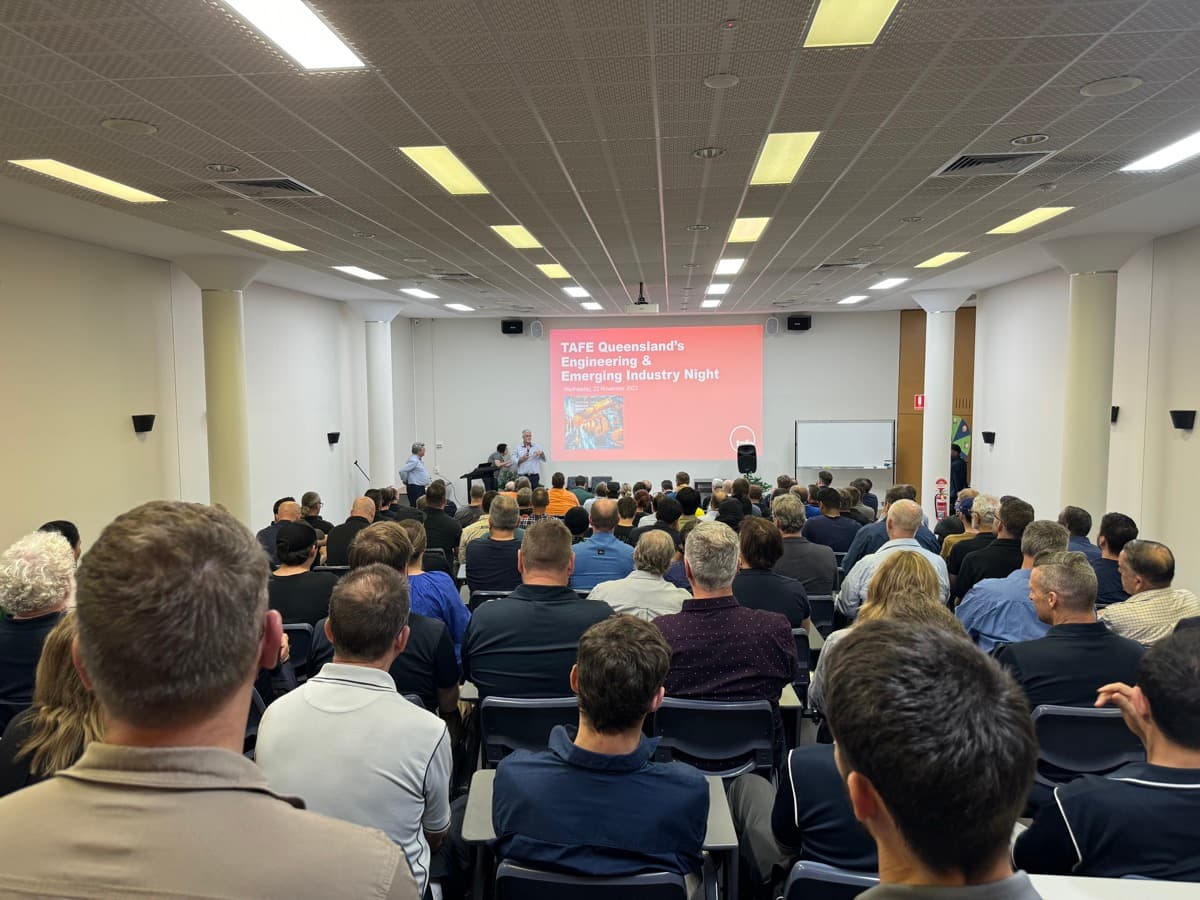
TAFE Queensland has integrated the Micromelon robotics platform into their Autonomous Technologies course, marking a significant expansion of Micromelon's reach from primary and secondary schools into the vocational education and training (VET) sector.
The course uses Micromelon Rovers and the Python programming module to teach foundational concepts in autonomous systems, sensor integration, and programmatic control. Students in the program learn to write Python code that reads sensor data, makes decisions, and controls physical hardware - skills directly applicable to careers in automation, robotics, and manufacturing.
TAFE Queensland selected the Micromelon platform for its versatility and progressive learning pathway. Students begin with the visual block-based coding environment before transitioning to Python, mirroring the journey from novice to professional programmer. The Rover's built-in sensors - including ultrasonic, infrared, colour, accelerometer, and gyroscope - provide a rich set of inputs for autonomous behaviour programming.
The integration has been well received by both instructors and students. TAFE lecturers noted that the platform's accessibility allowed students with no prior coding experience to achieve meaningful outcomes within their first few sessions, while the Python module provided sufficient depth for more advanced learners.
This partnership demonstrates the breadth of the Micromelon platform's applicability, extending beyond traditional K-12 education into post-secondary pathways that prepare students for careers in technology and engineering.